Blush
Machine

About the work
Are you blushing? Maybe you're familiar with that feeling when, due to embarrassment or nervousness, blood rushes to your face.
And what if its discomfort is caused not by another "person" but by the world of machines, which the philosopher Gunther Anders refers to as "Promethean humiliation": a perceived subordination of humans in relation to their advanced technological inventions.
The oldest stone tools had the role of a figurative extension of the skeletal and nervous system and could be considered a result of evolution. However, the relationship between the tool and the human changed dramatically during the Industrial Revolution in 18th and 19th-century Europe with the automation of machine production. It seemed that people had become appendages, machine operators.
This phenomenon still deepens in today's digitalized and fully automated manufacturing processes. The boundary between the human body and technology is becoming increasingly difficult to trace. The question is whether it was ever possible to determine. So, what do these changes mean for our concept of corporeality and materiality concerning the methods of production that surround us?
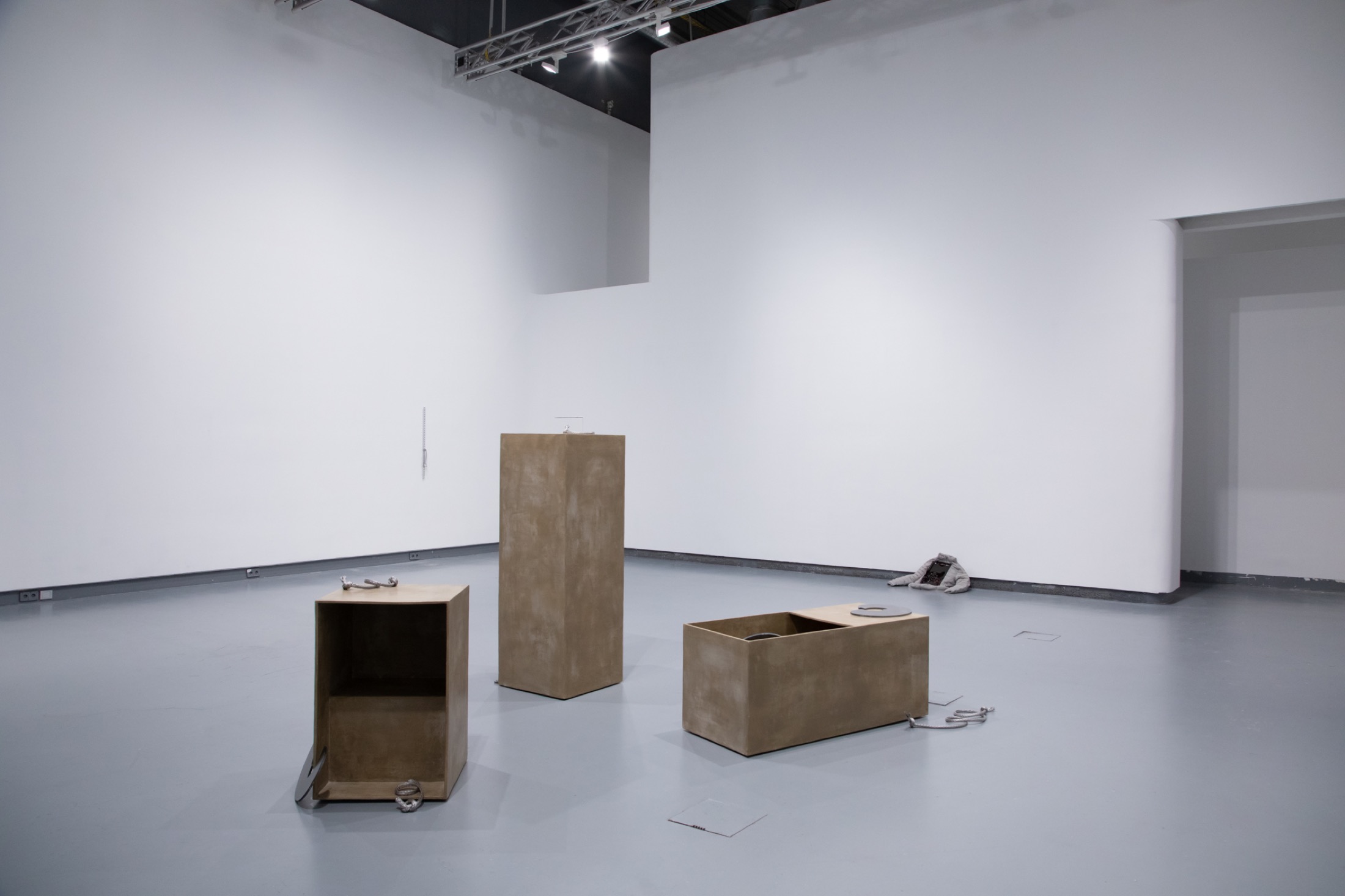
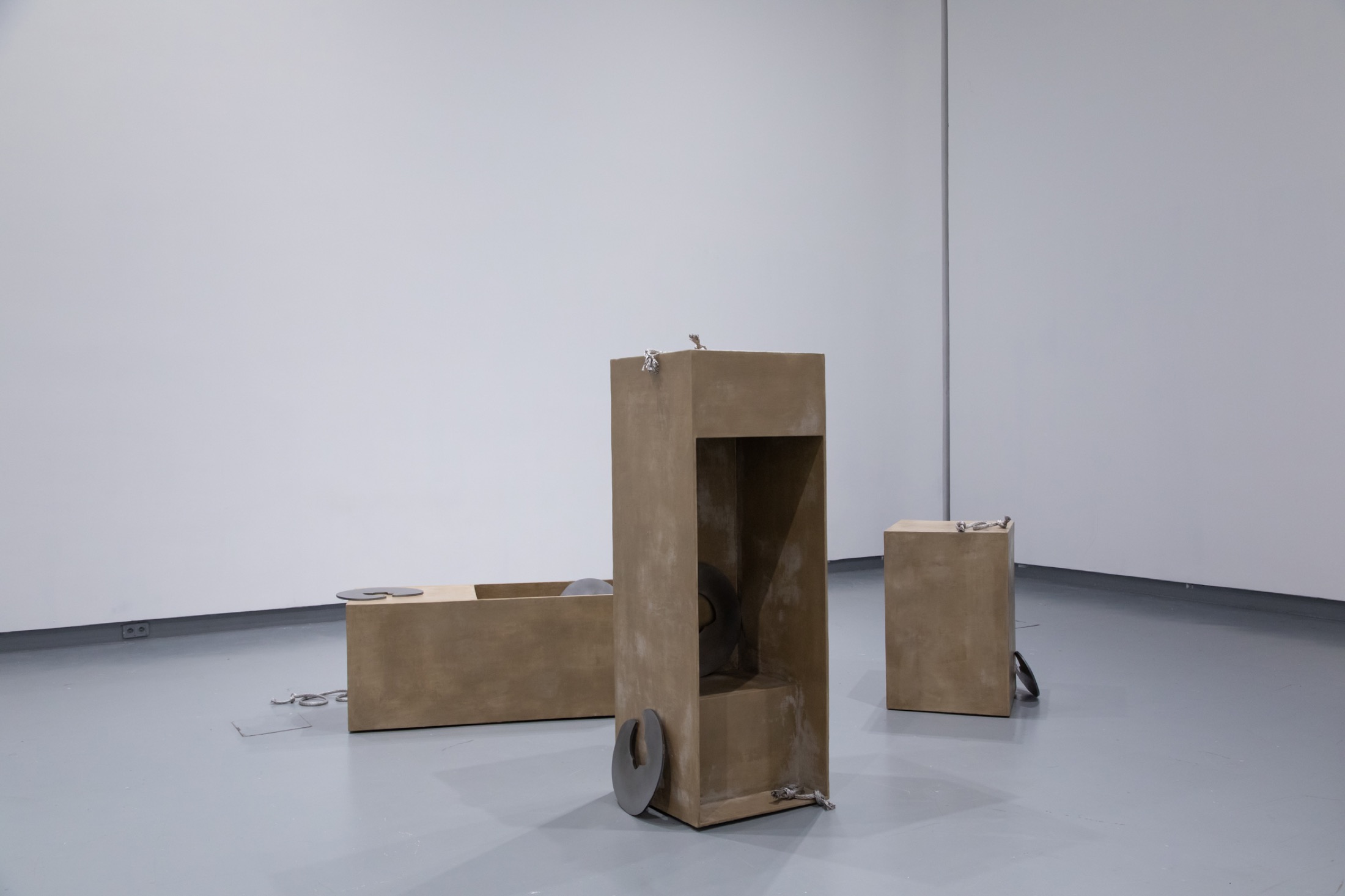
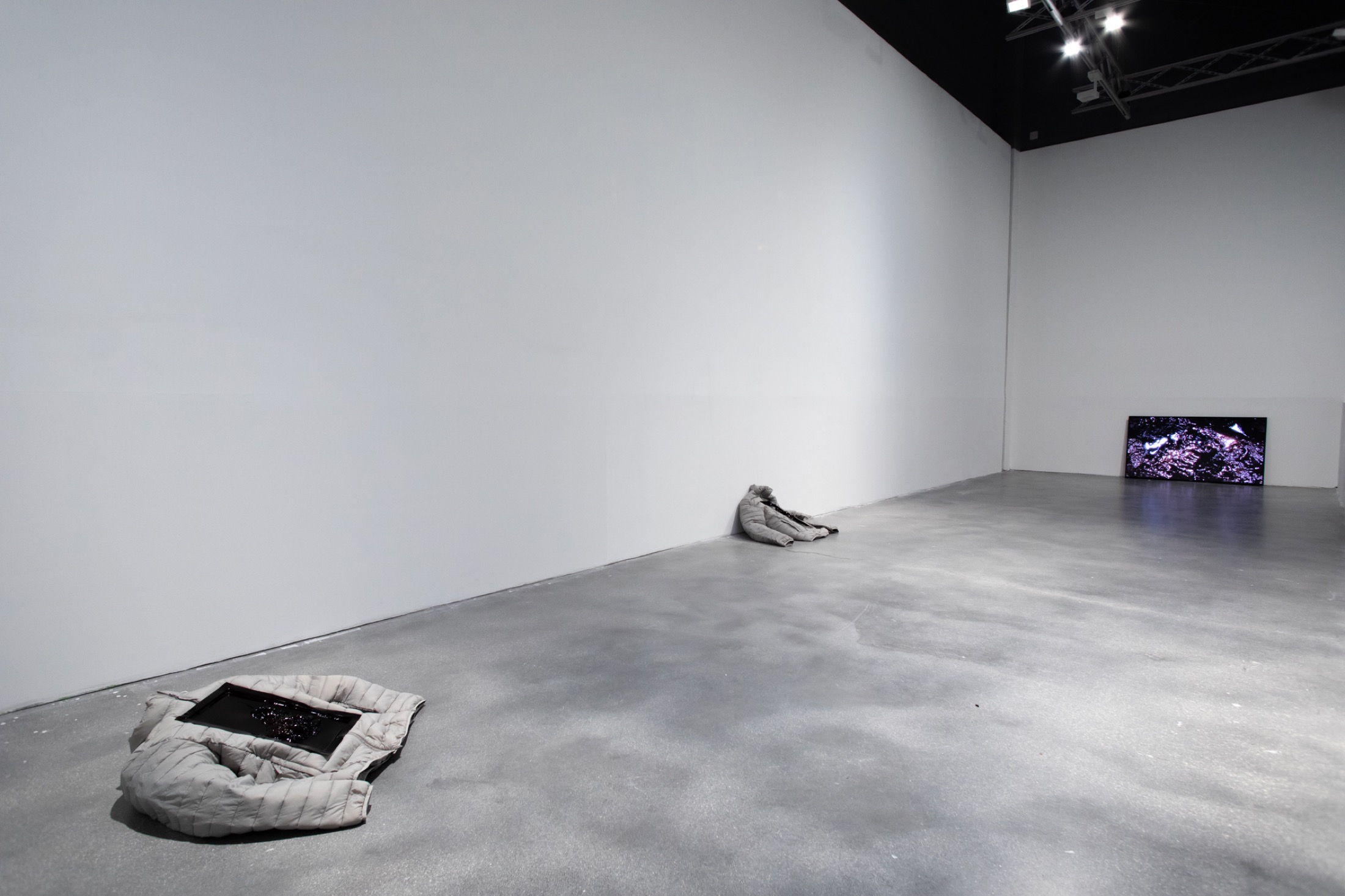
The characteristic image of this type of production might be abandoned factory halls without operators. Yannick Harter attempts to formulate speculative stories about the contemporary world while pointing out the absence of the human body in the industrial production process.
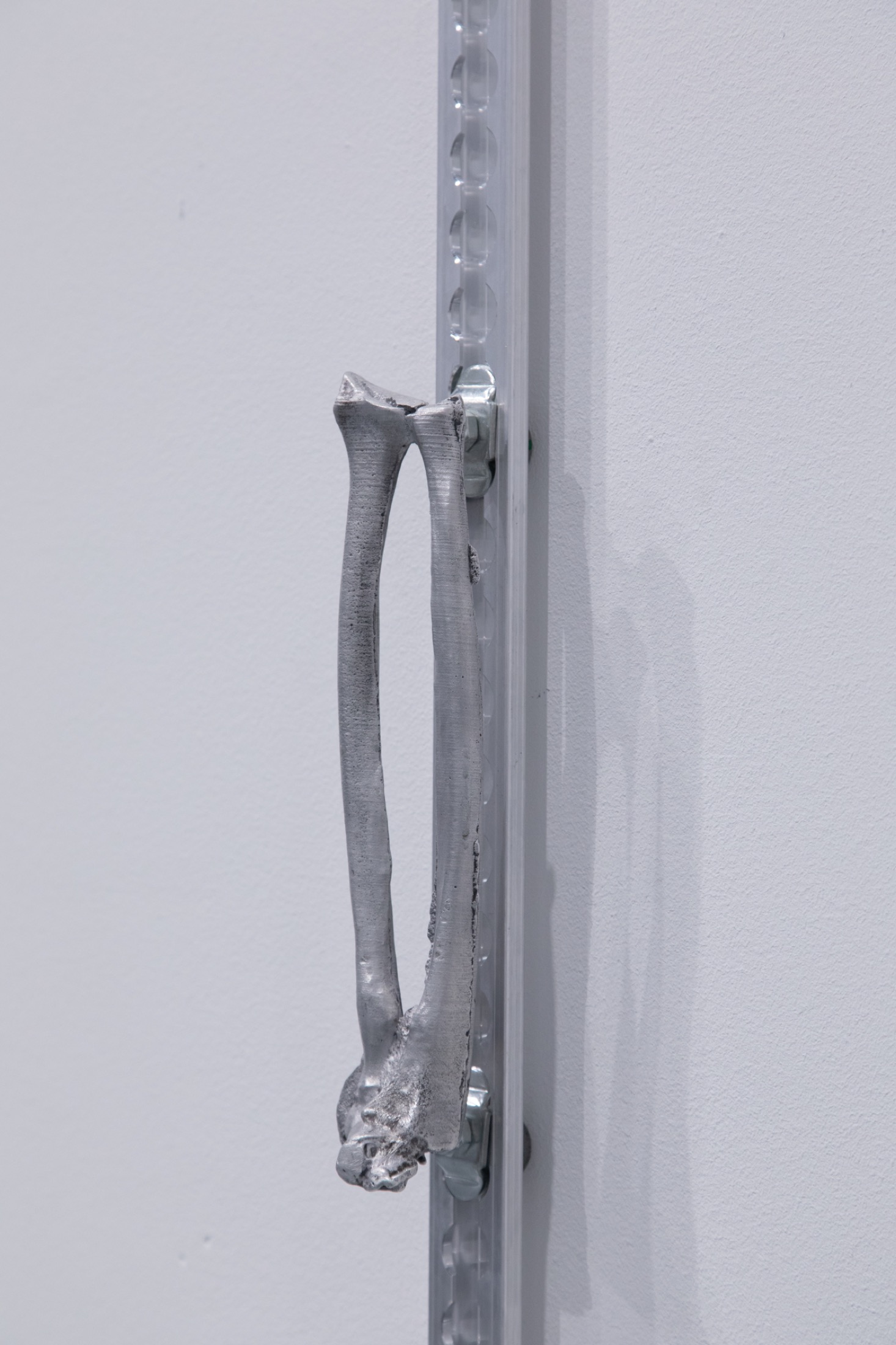
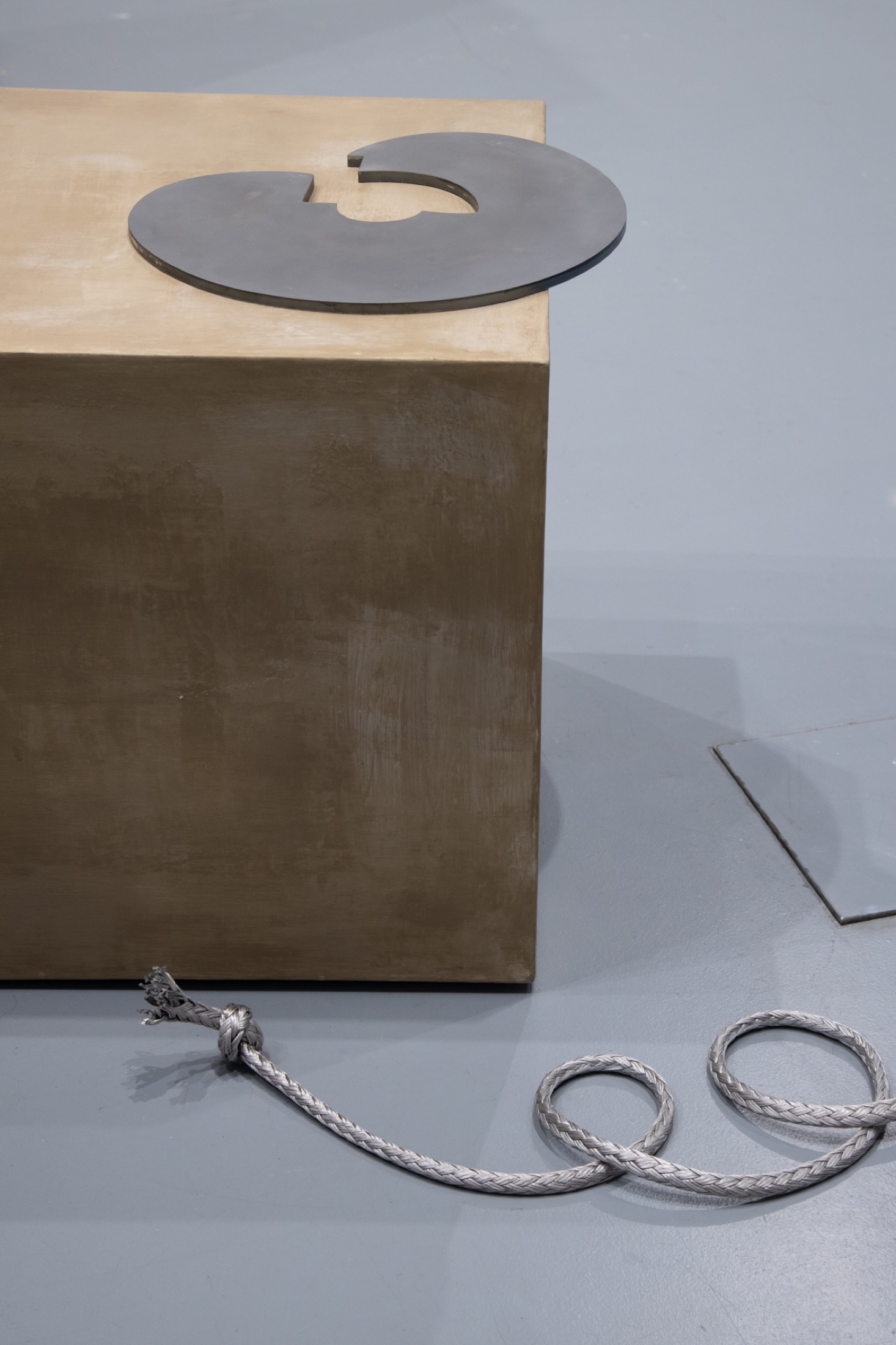
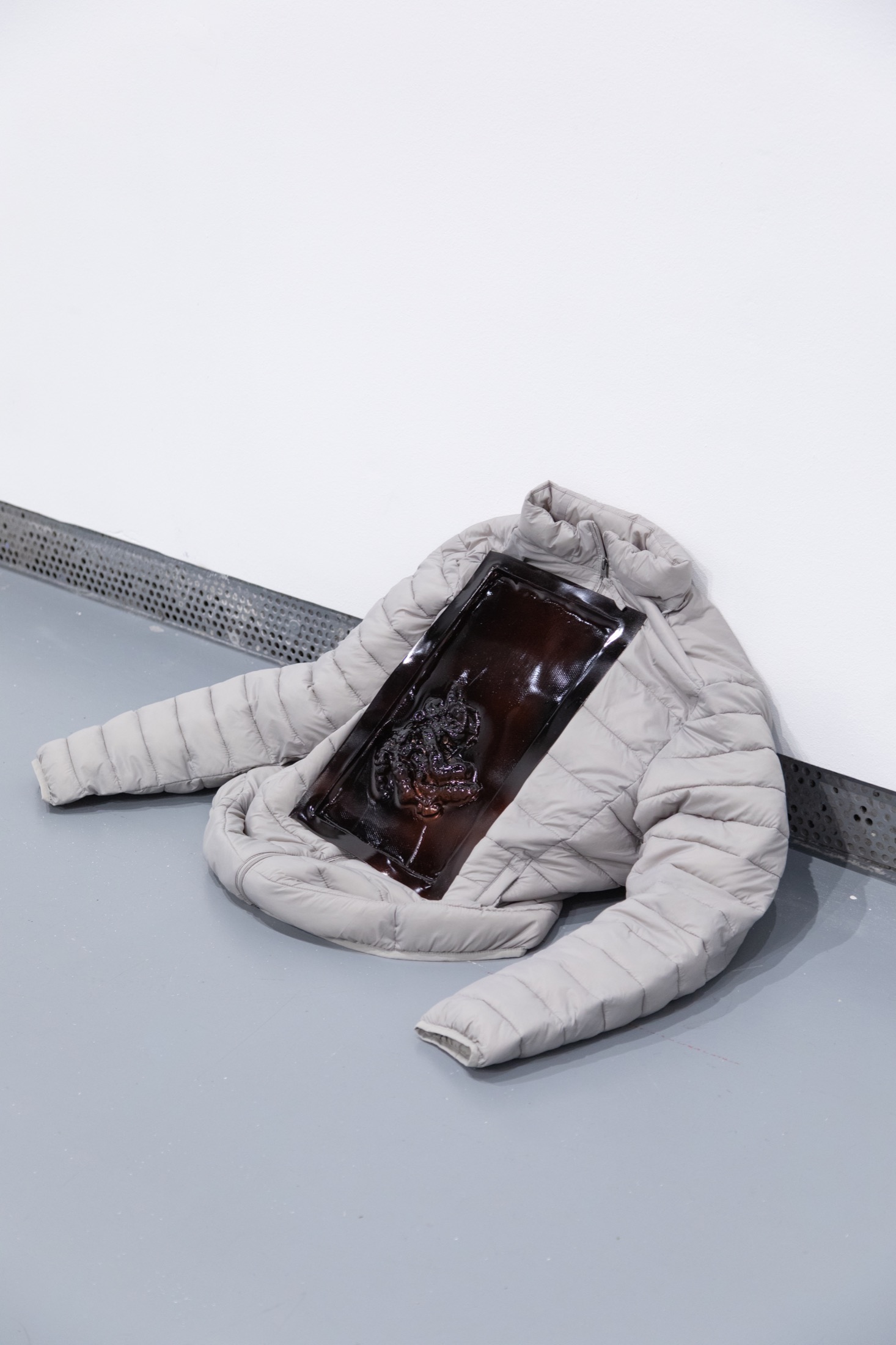
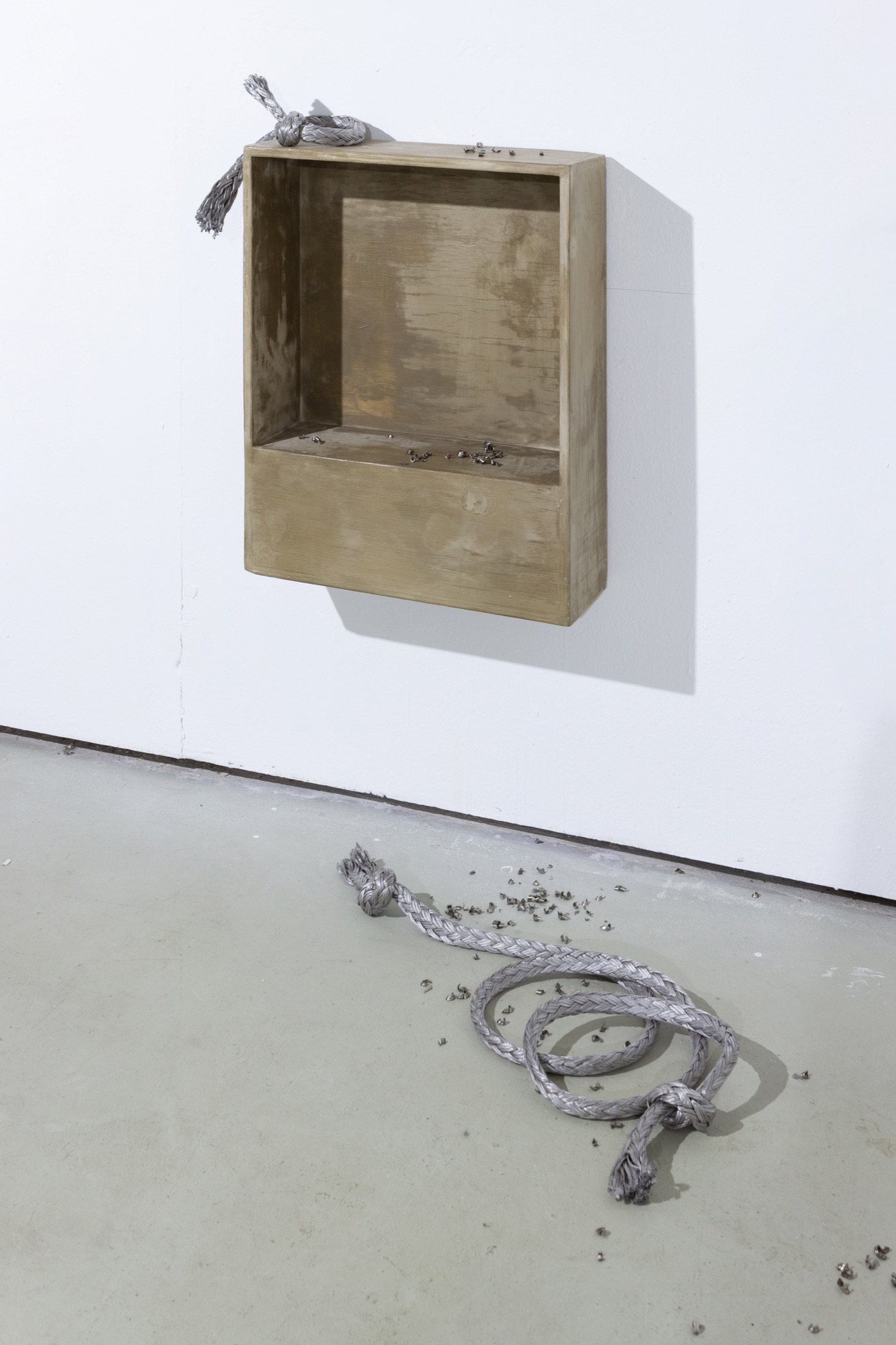
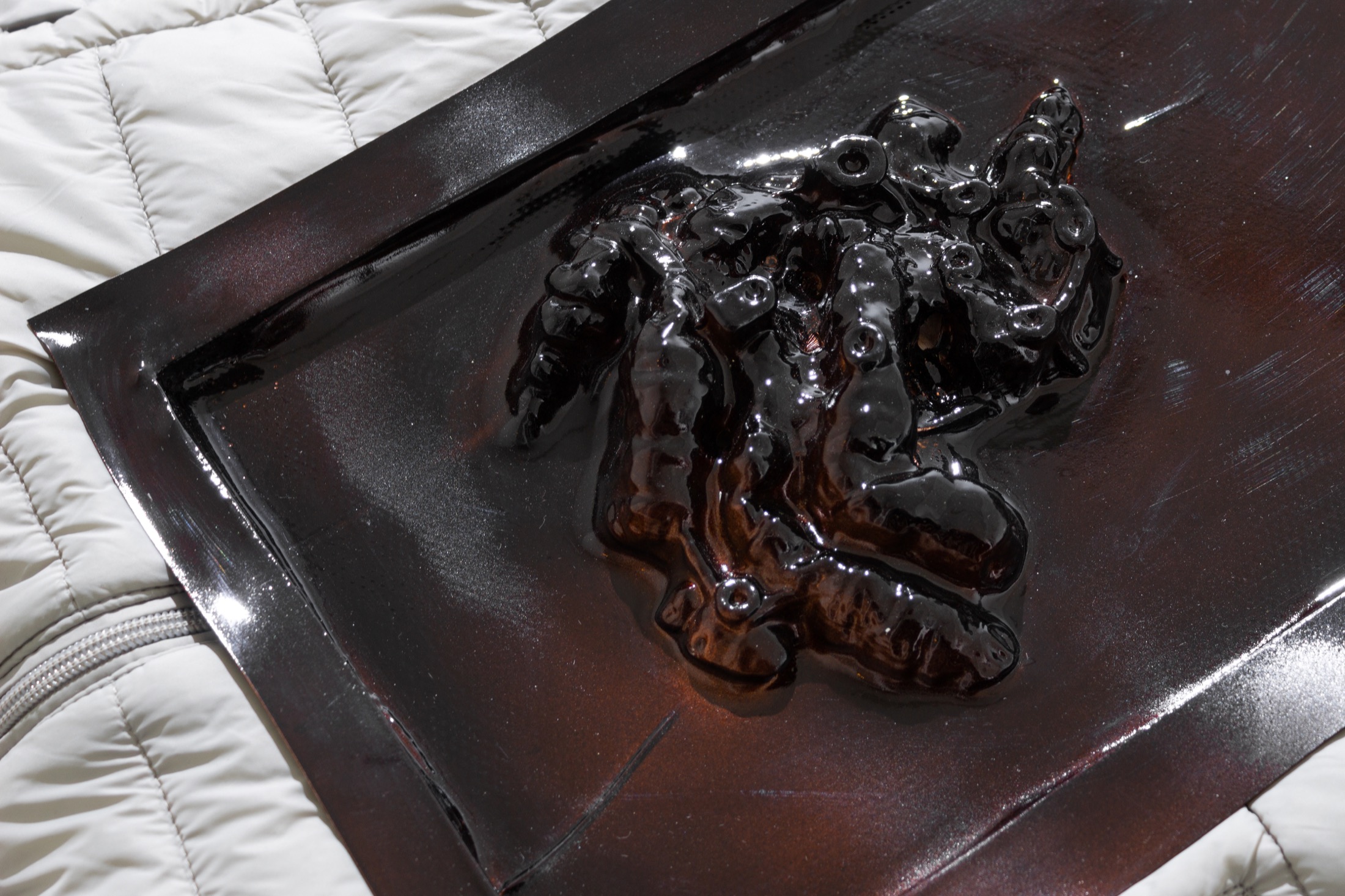
Yannick explores contemporary production methods and compares original materials and traditional craftsmanship with industrial high-tech processes. He uses partially self-constructed devices and equipment for creating his works. Prints and negative forms become expressions of the absence of the human body, which has partially disappeared from the production spaces of industrial manufacturing. 3D models become representations of organs and body parts from online databases. They collide and intertwine with industrial components and technical drawings.
In his works, original and highly modern materials and techniques meet as seeming opposites. Besides their material nature, they point to a common story that stretches throughout the history of humanity: from the oldest archetypal tools to the highly technological manufacturing processes of today.